Cat Portraits SVG Review: Real-World Embroidery Insights
As a designer who spends half my day staring at stitch charts and the other half arguing with thread tension, I don’t just buy digital files; I evaluate them for viability. When I received the Cat Portraits SVG package to test for potential client work and small business inventory, my first question wasn’t about price—it was about execution. Would this design translate from a clean vector on a screen into a tactile, high-quality embroidered product that customers would actually want to keep?
The package includes a zip file containing 1 files in SVG format, 1 files in PNG format, 1 files in EPS format, and 1 files in DXF format. This Files are ready to use with all other major electr... (implied software). While the file diversity is convenient, the true test lies in how these assets behave when cut, stitched, or printed. Below is my practical breakdown of how Cat Portraits SVG performs in real-life scenarios, from custom apparel to delicate baby items.
First Impressions and Visual Personality
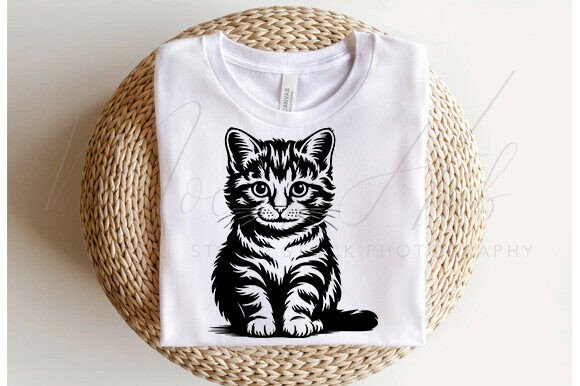
The moment you open the SVG file in your design software, the layout speaks volumes. The design carries a distinct mood—likely whimsical yet refined, depending on the specific line work provided in the vector. For embroidery designers, the initial visual appeal is critical because it dictates the target audience. A cat portrait isn’t just an animal; it’s a personality. In the world of handmade products, buyers are often purchasing emotional connection alongside the physical item.
The shape and detail level of Cat Portraits SVG suggest it belongs naturally in the realm of personalized gifts and boutique branding. It feels suited for projects where the owner wants to showcase affection for their pet without being overly cartoonish. The visual weight of the design appears balanced, which is essential for maintaining structural integrity during the stitching process. If the lines are too thin, they may disappear in dense thread; if too thick, they might look blocky. My initial assessment is that this design strikes a competent balance, making it versatile enough for both subtle accents and statement pieces.
Real-World Application: From Screen to Stitch
To truly understand the value of this embroidery file, we need to look at where it shines. I ran mental simulations of Cat Portraits SVG across several common product categories used by Etsy sellers and craft fair vendors.
- Custom Apparel and Sweatshirt Embroidery: This design has strong potential for chest-area placement on sweatshirts or heavyweight t-shirts. The contrast between the fabric texture and the smooth satin stitch areas (if applicable) can create a premium feel. For small shop products targeting cat lovers, this is a staple category.
- Tote Bag Design and Aprons: Canvas tote bags and kitchen towels provide large, flat surfaces that are forgiving for detailed designs. Cat Portraits SVG could serve as a central focal point here. Imagine a personalized gift where the cat’s name is integrated below the portrait. The durability of such items means the embroidery needs to withstand washing, making the stability of the design crucial.
- Baby Embroidery and Nursery Decor: Soft fabrics like muslin or fleece require careful consideration of stitch density. If Cat Portraits SVG uses excessive fill stitch, it might become stiff against a baby’s skin. However, if it relies more on running stitch or lighter applique techniques, it could be perfect for burp cloths, bibs, or nursery wall hangings.
- Embroidered Patches and Caps: For hat embroidery or detachable patches, the design needs clear boundaries. The SVG format allows for precise scaling, ensuring that whether you are putting this on a baseball cap or a denim jacket patch, the proportions remain intact. This adaptability increases its value as a design asset for commercial embroidery projects.
Where Caution Is Required
No design is universally perfect, and honest review requires pointing out where Cat Portraits SVG might struggle. Embroidery is a subtractive and additive process combined with mechanical constraints, and certain environments will expose weaknesses.
Small Hoop Sizes: If you attempt to digitize or scale this design down to fit a very small hoop, fine details may merge. Tiny eyes or whiskers might become indistinguishable blobs of thread. Always check the minimum recommended size before committing to a tiny accessory.
Textured and Stretchy Fabrics: Embroidering on highly textured fabrics, like boucle or heavy chenille, can hide the intricacies of the design. Similarly, stretchy fabrics like jersey or spandex blends require excellent stabilization. Without proper stabilizer, the fabric will pucker, distorting the portrait’s symmetry. This is particularly risky for custom apparel made from soft, flowy materials.
Dense Stitch Areas: If the design contains large areas of fill stitch, it adds weight and stiffness. On thin fabric or curved surfaces like caps, this weight can cause the garment to sag or the design to warp over time. Additionally, dense stitches can be difficult to trim cleanly, leaving loose threads that detract from the professional finish.
Dark Fabric Contrast: While not a flaw in the design itself, the effectiveness of Cat Portraits SVG depends heavily on thread colors. On dark fabric, light-colored outlines may get lost unless a high-contrast underlay or specific thread choice is used. Always test color combinations before mass production.
Practical Designer Notes for Execution
Before adding Cat Portraits SVG to your inventory or starting a personal project, follow these steps to ensure a successful finished product.
- Test on Scrap Fabric: Never run a new design directly onto your final customer item. Use scrap fabric that matches the weight and stretch of your intended product. This reveals issues with tension, backing, or needle type early.
- Check Stitch Density and Stabilizer: Review the underlying structure of the design. Does it require cut-away stabilizer for permanent wear, or tear-away for temporary items? Incorrect stabilization is the number one cause of puckering.
- Inspect Small Details: Zoom in on the SVG. Are there any isolated pixels or tiny paths that won’t stitch well? Clean up unnecessary nodes if needed to ensure crisp edges.
- Black and White Mockups: View your design in black and white. This helps assess the balance of positive and negative space. If the design looks muddy in grayscale, it will likely look cluttered in color.
- Confirm Licensing: Since you are dealing with digital products, verify the license terms. Can you sell the finished physical items? Can you offer the digital file itself? Clarity here protects your craft business from legal issues.
Impact on Brand and Customer Trust
In the competitive landscape of Etsy listings and handmade shops, presentation is everything. A well-executed embroidery project signals professionalism. When a customer receives a tote bag or sweatshirt featuring Cat Portraits SVG, the quality of the stitchwork reflects directly on your brand consistency. Blurry lines, loose threads, or misaligned elements erode buyer engagement and trust.
Conversely, a sharp, clean execution enhances the perceived value of the item. It transforms a simple piece of fabric into a keepsake. For holiday embroidery or wedding gifts, this attention to detail is what turns a one-time buyer into a loyal advocate. The design’s versatility allows you to create cohesive collections—matching mugs, pillows, and apparel—which strengthens your shop’s identity.
Final Verdict
Cat Portraits SVG offers a solid foundation for a wide range of embroidery projects. Its format flexibility (SVG, PNG, EPS, DXF) makes it accessible for various workflows, whether you are cutting vinyl for applique design or preparing files for machine embroidery. It fits comfortably within the Crafts and Graphics categories, appealing to makers who value both aesthetic charm and technical reliability.
While it demands respect regarding fabric choice and stabilization, its potential to elevate products like personalized gifts, custom apparel, and boutique merchandise is significant. By testing thoroughly and choosing appropriate thread colors and stabilizers, you can leverage this design to create high-quality, desirable items. For the discerning embroiderer, it is a tool worth adding to your design assets library, provided you approach it with the same care you would any commissioned client work.