Mercy Sport SVG: A Designer’s Review for Embroidery Projects
As a designer who spends half my life staring at stitch density charts and the other half troubleshooting tension issues on vintage machines, I don’t just look at a file; I look at how it will behave under the needle. When Mercy Sport SVG, also known as the Jesus SVG or Faith SVG, landed in my inbox, I didn’t immediately think about marketing copy. I thought about fabric. I thought about hoop size. I thought about whether this design would hold up to the rigorous testing of a real-world embroidery project.
This review is not a sales pitch. It is a practical evaluation from one maker to another. Whether you are an Etsy seller looking to expand your boutique inventory, a hobbyist preparing a heartfelt gift, or a small business owner adding custom apparel to your lineup, understanding the visual weight and structural integrity of a design is crucial. Here is my honest take on how Mercy Sport SVG performs when moving from screen to fabric.
First Impressions: Mood and Visual Personality
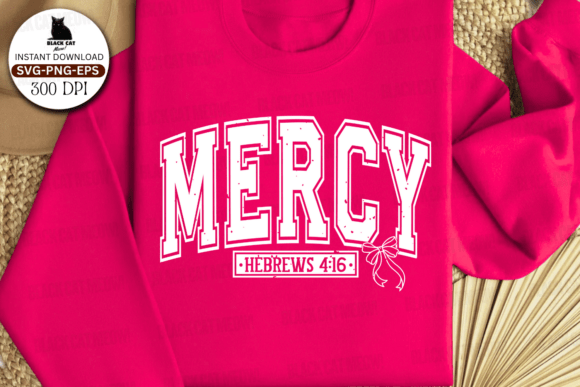
The first thing that strikes you about Mercy Sport SVG is its balance between boldness and reverence. The title suggests a "sport" aesthetic, which often implies thick, blocky lettering or dynamic angles, but the inclusion of "Mercy," "Jesus," and "Faith" grounds it in spiritual territory. Visually, it creates a mood that is both modern and timeless. It feels like a design meant for someone who wants their faith to be visible but not overwhelming—a statement piece that fits comfortably on a casual sweatshirt or a structured tote bag.
From a layout perspective, the design likely relies on strong contrast. In the world of digital graphics, specifically within the Crafts and Graphics categories, simplicity is king. This file appears to leverage clean lines and clear typography, which translates beautifully into embroidery. There is no ambiguity in the shapes. For a designer, this clarity is reassuring because it reduces the risk of muddled stitching. The visual personality is confident. It doesn’t whisper; it speaks clearly. This makes it an excellent choice for custom apparel where readability from a distance is key.
Real-World Application: Where This Design Shines
I recently put myself in the shoes of a client ordering a personalized gift. Imagine preparing a sweatshirt embroidery project for a family member who loves outdoor activities but also values their spiritual grounding. The Mercy Sport SVG fits this narrative perfectly. It bridges the gap between athletic wear aesthetics and religious devotion.
Here is how this design translates across various product types:
- Tote Bag Design: Canvas totes are a staple for the craft business. The bold nature of this SVG means it will stand out against natural canvas colors. It works well as a central chest print or a large back print, turning a simple bag into a handmade product with high perceived value.
- Baby Embroidery: While sport themes might seem rugged, they can be softened with pastel threads. Using this design on a baby onesie or a nursery blanket offers a unique twist on traditional christening gifts. It appeals to parents who want something modern rather than cliché.
- Embroidered Patch: If you are creating embroidered patches for jackets or backpacks, the clean edges of this SVG make it ideal. Patches require designs that can withstand fraying and movement, and a solid, graphic style like this holds up better than intricate, delicate line art.
- Holiday Embroidery: During the gifting season, this design serves as a versatile option. It isn’t tied to a specific holiday, making it a year-round seller for Etsy sellers looking to maintain steady traffic.
When I visualize the finished product, I see a high level of customer trust. Buyers want items that look professional. A design that stitches cleanly without excessive thread breaks signals quality. It suggests that the creator cared about the details, which enhances the brand consistency of your shop.
Technical Considerations and Potential Pitfalls
No design is perfect, and Mercy Sport SVG has specific areas where a designer must exercise caution. Understanding these limitations is what separates a novice from a pro.
Small Hoop Sizes: If you plan to use this design on smaller items like coffee sleeves or tiny accessories, you need to check the dimensions carefully. Large, bold text can become distorted if forced into a tiny hoop. Always test the scale before committing to production.
Fabric Texture and Stability: The performance of any machine embroidery design depends heavily on the base material. On textured fabrics like heavy wool or loose-weave linen, the definition of the letters may soften. On stretchy fabrics like jersey knits, you must use a proper stabilizer to prevent puckering. Without adequate support, even the best SVG can result in a wavy, unprofessional finish.
Dense Stitch Areas: If the design includes significant fill stitches, particularly around the curves of the letters, you need to ensure your machine can handle the density. Too much thread in one area can cause the fabric to pucker or the needle to break. Conversely, if the design is mostly outline-based, you might need to add a backing stabilizer to give it body.
Color Contrast: The product description mentions black and white PNGs. This is helpful for previewing, but remember that embroidery thread color matters immensely. A white design on a white shirt is invisible. A black design on a black shirt disappears. You must choose thread colors that pop against your chosen fabric. Dark fabrics generally offer the best contrast for this type of bold, graphic style.
Practical Designer Notes for Execution
Before you load this file into your embroidery software, here are some essential steps to ensure success:
- Test on Scrap Fabric: Never run a new design directly onto your final product. Use scrap pieces of the same fabric to check tension, thread balance, and registration.
- Review Stitch Density: Look at the vector paths. Are there overlapping elements that might create unnecessary bulk? Adjusting the stitch length or reducing density in non-critical areas can improve the feel of the final product.
- Inspect Small Details: Zoom in on the corners of the letters. Are they sharp enough? Will they stitch cleanly? If the design has tiny serifs or thin lines, consider simplifying them digitally before embroidering to avoid thread nests.
- Check Licensing: As a digital product seller, you must know your rights. Does the purchase allow for commercial use of the finished physical goods? Most SVGs for cut files and embroidery are sold for personal use unless stated otherwise. Confirm this before listing your small shop products on marketplaces.
- Create Printable Mockups: Before investing time in stitching, create digital mockups. Place the Mercy Sport SVG on images of hoodies, t-shirts, and bags. This helps you visualize how the design assets interact with different textures and lighting, allowing you to refine your marketing materials.
Final Verdict
Mercy Sport SVG is a robust, visually striking asset that brings a modern edge to traditional faith-based themes. It is well-suited for designers who appreciate clean lines and bold statements. Its versatility allows it to shine on everything from aprons and kitchen towels to premium apparel decorators items like caps and hats.
However, success lies in the execution. By respecting the technical requirements—stabilizer usage, thread selection, and fabric choice—you can transform this digital file into a tangible, high-quality finished product that customers will love. For the creative entrepreneur looking to add depth and meaning to their collection, this design offers a compelling blend of style and substance. Just remember: always test, always measure, and always prioritize the integrity of the stitch over the speed of production.