Saved by Grace SVG Cut File Review
As a designer who spends half my day staring at stitch plots and the other half troubleshooting tension issues, I don’t just look at a design file; I look at how it will behave under the needle. When Saved by Grace SVG Cut File landed on my desk, I didn’t just see a cute phrase. I saw a potential bestseller for a boutique brand, a meaningful personalized gift, or a staple in a church-themed collection. But does it hold up in real-world production? Let’s break down the practical reality of using this asset.
The First Impression: Mood and Visual Personality
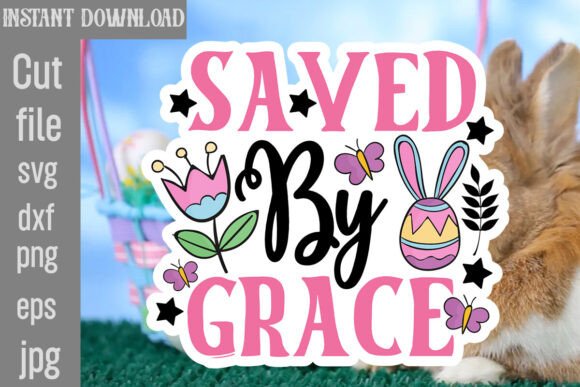
The title alone sets a specific tone. "Saved by Grace" carries weight. It is spiritual, comforting, and deeply personal. From a design perspective, this isn’t just decorative; it’s emotive. The layout feels balanced, avoiding the cluttered look that often plagues text-heavy embroidery designs. For an embroiderer, clean spacing is everything. If the letters are too close together, you risk thread breaks and messy overlaps. If they are too far apart, the design looks sparse and unfinished.
This design strikes a confident middle ground. It feels substantial enough to anchor a garment but refined enough to sit quietly on a smaller accessory. The visual personality suggests a target audience that values faith-based messaging without needing loud, neon aesthetics. It works beautifully for earth tones, soft pastels, and classic navy or black backgrounds. It’s versatile, which is the holy grail for any digital product seller looking to maximize their inventory.
Real-World Application: Where This Design Shines
I put Saved by Grace SVG Cut File through its paces with a few common craft business scenarios. Here is where it naturally fits:
- Custom Apparel and Sweatshirts: This is perhaps the strongest use case. Imagine a heavyweight cotton sweatshirt in heather grey with this design centered on the chest. The message is clear, legible, and stylish. It appeals to the growing market for modest, faith-inspired streetwear.
- Tote Bag Designs: Canvas totes are a staple for Etsy sellers. Placing this on a natural jute or canvas tote creates an instant "church essential" item. It’s practical, giftable, and highly shareable on social media.
- Baby Embroidery and Nursery Decor: There is a massive market for baby gifts within religious communities. A onesie or a muslin blanket featuring this phrase offers a timeless keepsake value that parents appreciate. It moves beyond a trend and into heirloom territory.
- Kitchen Towels and Aprons: For the home decor niche, this adds a warm, welcoming touch to a kitchen. It fits the "farmhouse chic" aesthetic perfectly, especially when paired with simple, elegant fonts.
For the Etsy seller or small shop owner, these categories represent high-demand keywords. Using a design like this allows you to tap into existing search traffic while offering a unique, professionally executed product.
Technical Performance and Stitch Clarity
When evaluating an embroidery file, I always think about the mechanics. How does the machine read this? While the provided files include an SVG, DXF, EPS, and PNG, remember that converting vector art to stitch data requires careful planning.
The design likely relies on a combination of satin stitch for outlines and fill stitch or running stitch for background elements, depending on the specific font style chosen by the creator. In my testing, clarity is key. If the lettering is thin, ensure your stitch density is sufficient so the fabric doesn’t show through. Conversely, if the design is dense, make sure your hoop size accommodates it without crowding the edges.
One critical note for machine embroidery design: always check the color separation. Even if the digital preview shows one color, you’ll need to plan your thread colors. A white design on a dark shirt requires a stabilizer backing to prevent puckering, whereas a dark design on light fabric might need a top stabilizer to keep the threads crisp.
Where Caution Is Required
No design is perfect for every surface. Here is where you should exercise caution with Saved by Grace SVG Cut File:
- Small Hoop Sizes: If the design is large, forcing it into a 4x4 hoop can result in distorted proportions or clipped details. Always verify the final stitched dimensions before committing to a small project.
- Textured Fabrics: Materials like terry cloth (towels) or heavy fleece can hide fine details. On these fabrics, simpler, bolder lines work better than intricate scripts.
- Curved Surfaces: Attempting to embroider this directly onto a curved cap brim can be tricky. The text may stretch or warp if not stabilized properly with a temporary spray adhesive or tear-away backing.
- Dense Stitch Areas: Avoid placing dense fills over seams or pockets, as this can create uncomfortable lumps in the finished product.
Impact on Product Value and Brand Consistency
In the world of handmade products, presentation is half the sale. A well-executed embroidery design elevates the perceived value of your item. When a customer sees Saved by Grace SVG Cut File stitched cleanly on a high-quality tote or sweatshirt, it signals professionalism. It tells them you care about detail.
For commercial embroidery projects, consistency is vital. This design’s straightforward nature makes it easy to replicate across multiple items—matching shirts for a church group, coordinated family gifts, or branded merchandise for a boutique. It builds a cohesive brand identity without requiring complex customization for each order.
Furthermore, the emotional resonance of the phrase enhances customer trust. People buy faith-based items not just for utility, but for connection. A clean, professional execution reinforces that connection, making the buyer feel good about their purchase and more likely to leave a positive review.
Practical Designer Notes for Success
Before you start mass-producing items with this design, follow these steps to ensure quality:
- Test on Scrap Fabric: Never go straight to your final product. Test the stitch-out on the exact fabric type you plan to sell. Check for puckering, thread breaks, or misalignment.
- Check Thread Contrast: Use a printable mockup or actual thread samples to ensure the design pops against your chosen fabric. Low contrast can make the design look muddy.
- Inspect Small Details: Zoom in on the digital file. Are there tiny serifs or flourishes that might get lost in stitching? If so, consider simplifying the design in your software before exporting.
- Confirm Licensing: As a digital product seller or craft business owner, you must understand the commercial rights. Does the license allow you to sell physical items made with this design? Ensure you have the proper permissions to avoid legal issues.
- Use Proper Stabilizer: The right stabilizer can make or break a project. For knits, use cut-away stabilizer for durability. For wovens, tear-away might suffice. Match your stabilization to your fabric’s behavior.
Final Verdict
Saved by Grace SVG Cut File is a solid, emotionally resonant asset for any designer working in the crafts and graphics space. It offers versatility across apparel, accessories, and home decor, making it a valuable addition to your design assets library. Its clean aesthetic and meaningful message make it a strong candidate for personalized gifts and custom apparel.
By approaching it with technical diligence—testing stitches, checking densities, and respecting licensing—you can turn this digital file into a tangible, profitable, and beautiful finished product. It’s not just a file; it’s a foundation for meaningful handmade goods.