Review: This is What a Miracle Looks Like SVG
As a designer who spends more time than I care to admit tweaking stitch densities and testing thread contrasts, I approach every new digital asset with a mix of curiosity and skepticism. We’ve all been there: downloading a file that looks stunning in the preview but turns into a muddy, tangled mess once it hits the hoop. That is exactly why I decided to put This is What a Miracle Looks Like SVG through its paces before recommending it for your own craft business or personal projects. This isn’t just another generic motivational quote; it’s a design asset that demands careful consideration regarding layout, sentiment, and technical execution.
First Impressions and Design Personality
The moment you open the files, the mood is immediately clear. The phrase itself carries weight. It’s not just a cute saying; it’s a statement of faith, resilience, or profound gratitude. For an embroidery designer, typography-based designs are a double-edged sword. They are popular because they are readable and relatable, but they are also risky because lettering requires precision. If the kerning is off or the font choice clashes with the background elements, the entire piece loses its professional polish.
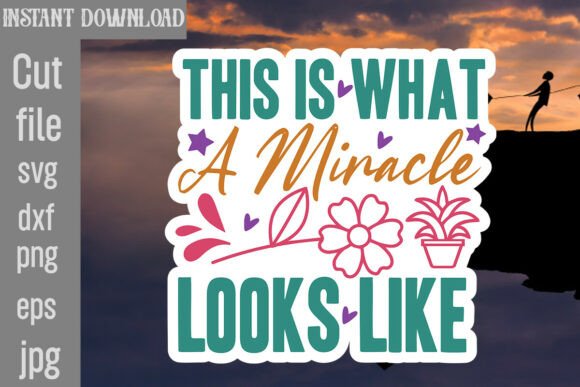
This is What a Miracle Looks Like SVG strikes a balance between whimsy and sincerity. The collage-style layout suggests that this design likely incorporates multiple graphic elements alongside the text. In my experience, collages can be tricky on fabric because they often lead to "busy" areas where stitches compete for space. However, if executed well, this type of layout allows for incredible texture variation. You aren't limited to a single block of color; you have the opportunity to use different stitch types to give depth to each element of the collage.
Visually, the design feels warm and inviting. It doesn’t scream for attention like a neon sports logo; instead, it invites the viewer in. This makes it perfect for products where intimacy matters—think nursery decor, personalized gifts for new parents, or comforting items for someone going through a tough time. The visual personality aligns perfectly with the handmade aesthetic, which relies on emotional connection rather than just utility.
Real-World Application: From Screen to Stitch
Let’s talk about how this design performs when we move from the digital workspace to the physical machine. I envision This is What a Miracle Looks Like SVG shining in specific product categories. The most immediate application that comes to mind is a custom embroidered tote bag. A canvas tote provides a sturdy, flat surface that handles dense stitching well. Placing this design centrally on a tote creates a powerful accessory for church groups, Bible study classes, or anyone looking for a meaningful everyday carry item.
Beyond totes, I see strong potential in apparel. A crewneck sweatshirt embroidered with this phrase has a vintage, cozy vibe that resonates with current fashion trends. The key here is placement. On a sweatshirt, you want the design to sit comfortably on the chest or slightly off-center for a modern look. The thickness of the fleece helps stabilize the embroidery, preventing the fabric from puckering—a common issue with lighter materials.
Another excellent use case is baby items. Whether it’s a onesie, a burp cloth, or a small blanket, the sentiment of a "miracle" fits beautifully with newborn photography props or christening gifts. Parents love receiving items that articulate their feelings about their child. When designing for this market, This is What a Miracle Looks Like SVG offers a sophisticated alternative to standard cartoon characters. It elevates the perceived value of the handmade product, allowing you to charge a premium because the design feels curated and thoughtful.
For those running an Etsy shop or selling at craft fairs, versatility is king. This design works equally well as an embroidered patch for denim jackets or backpacks. Patches allow customers to personalize their existing garments, extending the life of their clothing while adding a unique touch. The collage nature of the design means it can be scaled down effectively for patches without losing its impact, provided the smallest details remain legible.
Where Caution Is Required
While the design has high potential, no embroidery file is universally perfect. There are specific scenarios where This is What a Miracle Looks Like SVG might struggle, and as a responsible creator, you need to know these limitations.
- Small Hoop Sizes: If the design contains intricate details or tiny lettering within the collage, shrinking it too much will result in lost definition. Always check the minimum recommended hoop size. If you attempt to stitch this on a 4x4 hoop and the text becomes microscopic, the message is lost.
- Textured and Stretchy Fabrics: While canvas and fleece are forgiving, stretchy knits or highly textured fabrics like chunky knit blankets can distort the design. The fabric moves under the needle, causing the satin stitches to wobble or the fill stitches to break. If you must use these fabrics, a heavy-duty cut-away stabilizer is non-negotiable.
- Dense Stitch Areas: Collage designs often cluster graphics together. If the stitch density is too high in one area, the fabric may become stiff and uncomfortable, especially on apparel that will be worn against the skin. Test the hand-feel of the finished product to ensure it remains wearable.
- Curved Surfaces: Embroidering directly onto caps or curved hat panels requires advanced skills. The distortion inherent in curved surfaces can warp straight lines and circular elements. For beginners, it is safer to embroider the design flat and then applique it onto the cap.
Technical Considerations for the Discerning Designer
To get the best results from This is What a Miracle Looks Like SVG, you need to treat it as a dynamic project, not a static image. Here are some practical notes from my workflow:
- Thread Color Contrast: The success of any embroidery lies in the contrast between thread and fabric. If the design uses light colors on a white shirt, it will disappear. Conversely, dark threads on black fabric require metallic or reflective threads to pop. Experiment with color palettes that complement the mood—soft pastels for baby items, bold primary colors for tote bags, or neutral tones for minimalist home decor.
- Stitch Density Review: Before committing to expensive fabric, run the design through your software’s density adjustment tool. If the fill stitches are too thick, reduce the density slightly to prevent bulk. If they are too thin, increase them to ensure opacity. This step is crucial for maintaining a professional finish.
- Black and White Mockups: One trick I use is converting the design to grayscale in my editing software. This helps identify areas where the visual weight might be unbalanced. If one part of the collage looks "heavier" than the other, you may need to adjust the placement or scale to create visual harmony.
- Stabilizer Selection: Never underestimate the role of stabilizer. For woven fabrics, tear-away might suffice for simple outlines, but for a complex collage with fills, cut-away stabilizer is the gold standard. It provides long-term support, ensuring the embroidery doesn’t sag after washing.
Final Verdict on Visual Appeal and Marketability
From a branding perspective, This is What a Miracle Looks Like SVG adds a layer of authenticity to your shop. Customers today are savvy; they can tell the difference between a mass-produced, low-effort print and a carefully stitched, heartfelt piece. By offering this design, you are signaling that you understand the emotional needs of your buyers.
The design’s ability to convey hope and wonder makes it highly giftable. It transcends seasonal trends, making it a year-round seller. Whether it’s used for a wedding gift celebrating a new marriage, a holiday gift for a friend in need of encouragement, or a boutique item for a spiritual retreat, the applications are vast.
However, remember that the file is just the starting point. Your skill in execution determines the final outcome. Take the time to test, refine, and present your work professionally. Use high-quality mockups to showcase the texture and detail of the embroidery. Show close-ups of the satin stitches and the smoothness of the fills. Let the quality speak for itself.
In conclusion, This is What a Miracle Looks Like SVG is a versatile, emotionally resonant asset that deserves a place in your library. It challenges you to think critically about placement, material, and technique, which ultimately leads to better craftsmanship. If you are an Etsy seller, a small business owner, or a hobbyist looking to elevate your craft, this design offers a solid foundation for creating meaningful, high-value products. Just remember to respect the technical constraints, choose your fabrics wisely, and always prioritize clarity and contrast. With the right approach, this design can truly look like a miracle on your finished product.