Review: Cute Unicorn 3 Embroidery Design
When I sit down to review a new digital asset for my craft business, I am rarely looking for just another pretty picture. I am looking for viability. As an embroidery designer who frequently transitions between personal hobby projects and commercial small-batch production, my primary concern is always execution. Will this design hold up on a customer’s sweatshirt? Will the details survive the hoop? Does it have enough personality to justify a price point in a saturated market?
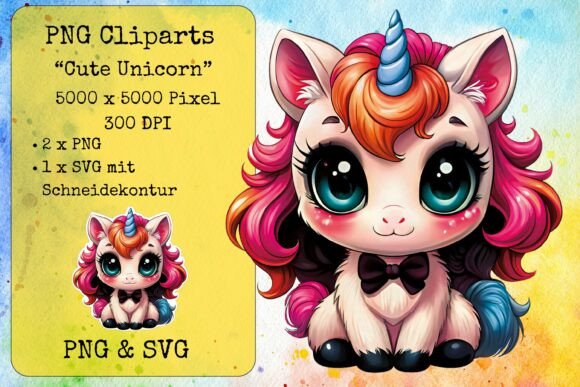
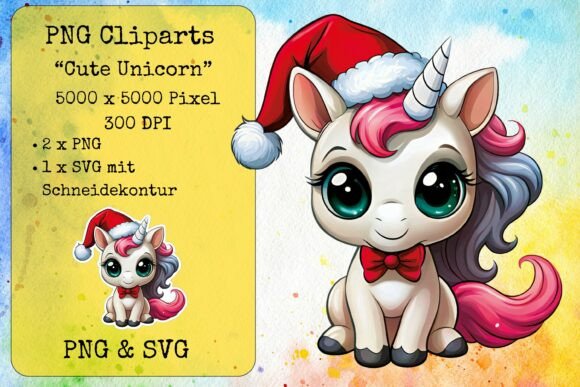
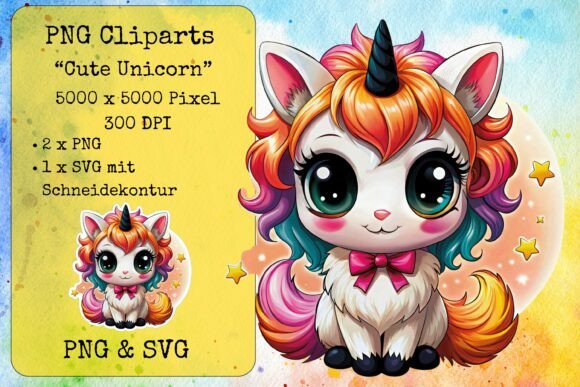
This is where Cute Unicorn 3 catches my attention. The product description highlights its magical and irresistible nature, featuring a colorful unicorn with large glittering eyes and a rainbow mane. While the German description notes it works well as a sticker or plotter cut, my focus here is strictly on its potential as a machine embroidery design. After analyzing the visual structure and considering real-world application scenarios, I have broken down exactly how this piece fits into a modern maker’s workflow.
First Impressions and Visual Personality
The immediate appeal of Cute Unicorn 3 lies in its approachability. In the world of embroidery project design, "cute" can often veer into childish or overly simplistic territory. However, this design strikes a balance that appeals to a broader demographic. The concept of a vibrant mane and expressive eyes suggests a design that relies heavily on color blocking and smooth curves rather than intricate, fragile detailing. This is a crucial distinction for anyone producing handmade products at scale.
Mood-wise, it exudes joy and whimsy. It is not a serious, heraldic crest; it is a burst of fun. This makes it an ideal candidate for personalized gift items where the emotional connection is key. Whether you are targeting parents buying for a nursery or young adults looking for unique accessories, the visual language speaks clearly without needing explanation. For an Etsy seller or small shop product owner, this clarity reduces friction in the buyer’s decision-making process.
Real-World Application Scenarios
To truly understand the value of any digital embroidery file, we must imagine it stitched. Let’s look at a few specific use cases where Cute Unicorn 3 would shine.
Custom Apparel and Sweatshirts
One of the strongest applications for this design is on sweatshirt embroidery items. Because the unicorn features a bold mane and distinct facial features, it translates beautifully to mid-weight cotton or fleece blends. Imagine a pastel pink hoodie with the unicorn centered on the chest. The "glittering eyes" mentioned in the description suggest that using a metallic or high-sheen thread for the eyes could elevate the piece from standard merchandise to a boutique-quality item. It adds a touch of luxury to a casual garment, increasing perceived value.
Tote Bags and Canvas Goods
Tote bag design opportunities are endless for this motif. On a sturdy canvas tote, the unicorn acts as a focal point. Since the design appears to have clean lines (implied by the "clipart" style), it likely digitizes well onto fabric that does not stretch much. This ensures that the satin stitches remain crisp and do not pucker. It is also highly effective as a side-print or a small pocket placement, allowing customers to customize their bags with a pop of color without overwhelming the base material.
Baby Items and Nursery Decor
The soft, friendly aesthetic makes this a top contender for baby embroidery projects. Think onesies, burp cloths, or crib bumper pads. Parents often look for designs that are gender-neutral yet charming. The rainbow elements allow for flexible color palettes—pastels for a softer look or bright primaries for a more energetic vibe. When creating holiday embroidery sets or seasonal bundles, this design serves as a versatile anchor piece that pairs well with other motifs like stars or clouds.
Embroidered Patches and Accessories
If the digitization includes a clean edge or if you plan to add a stabilizer backing, this design works exceptionally well as an embroidered patch. You can attach these patches to denim jackets, backpacks, or baseball caps. The "rainbow mane" provides a natural border effect that looks intentional even if the stitching density varies slightly. It transforms a plain accessory into a statement piece, which is a common strategy for craft business branding.
Technical Considerations and Stitch Analysis
While the visual appeal is high, a professional designer must consider the technical execution. Here is what you need to watch out for when converting or using this graphics asset in an embroidery format.
- Stitch Density: Designs with large filled areas, such as the unicorn's body and mane, require careful attention to stitch density. If the density is too high, the fabric may pucker, especially on lightweight materials. If it is too low, the underlay may show through. Always check the stitch density settings in your software.
- Small Details: The "large glittering eyes" are a key feature. Ensure that the digitizer has sized these elements appropriately for the intended hoop size. If you are working in a very small hoop, tiny details can get lost or become difficult to stitch cleanly. Test the design in black and white mockups to ensure contrast remains strong.
- Fabric Texture: This design will perform best on smooth fabrics like cotton, polyester, or nylon blends. Avoid textured fabrics like heavy tweed or boucle, as the needle may struggle to penetrate consistently, leading to skipped stitches. Also, be cautious with stretchy knits unless you use a proper tear-away or cut-away stabilizer.
- Thread Colors: The description mentions a rainbow mane. This implies a multi-color design. Plan your thread colors carefully. Gradient effects in embroidery are achieved through step-stitching or varied fill patterns, so ensure your machine can handle the color changes smoothly. Using high-quality polyester threads will enhance the "magical" feel more than cheap rayon.
Where to Use With Caution
No design is perfect for every surface. There are specific scenarios where Cute Unicorn 3 might struggle:
- Curved Surfaces: While caps are popular, placing a large, detailed unicorn on the front curve of a hat requires precise hooping techniques. If the design is not digitized with curvature compensation, the ears or mane may appear distorted.
- Dense Stitch Areas: If the design includes dense fill stitches near the edges, it may be difficult to trim cleanly. This is particularly relevant if you are creating commercial embroidery items that need a polished finish.
- Thin Fabrics: On sheer or very thin materials, the stabilizer residue left behind after removal can be visible. Always test on scrap fabric first to determine the best stabilizer type.
Final Verdict for Makers and Sellers
Cute Unicorn 3 is a solid, commercially viable design for makers who specialize in joyful, colorful aesthetics. It is not an avant-garde artistic statement, but it is highly effective for its intended purpose: bringing delight to everyday objects. Its strength lies in its versatility across various custom apparel categories and its ability to engage customers through recognizable, beloved imagery.
For creative entrepreneurs and digital product sellers, this design offers good ROI potential. It is simple enough to produce efficiently but detailed enough to look premium. Just remember to verify the licensing terms before selling finished items or digital products. Confirm whether the file allows for commercial use and if there are any restrictions on the number of units you can produce.
In conclusion, if you are looking to expand your catalog with items that appeal to children, unicorn enthusiasts, or anyone who loves a bit of magic in their daily routine, Cute Unicorn 3 is a worthy addition. It balances charm with practicality, making it a reliable choice for both personal gifts and profitable craft business inventory. Just keep your stabilizer handy and your thread spools full, and you will likely see positive feedback from your buyers.