Retro Roller Skate Clipart Vector Review
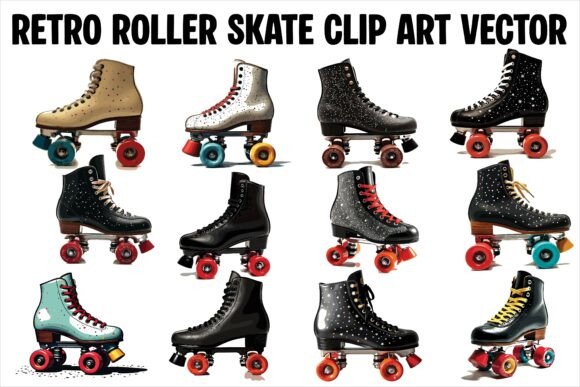
When I pull a new design file into my hoop, I am not just looking at lines and curves. I am visualizing the finished product sitting on a customer’s shoulder, their child’s back, or hanging in a boutique window. As an embroidery designer who reviews assets for real-world application, I look for clarity, stitchability, and emotional resonance. The Retro Roller Skate Clipart Vector Graphic set is one of those bundles that immediately suggests a specific aesthetic: nostalgic, playful, and undeniably fun. It feels less like a generic clipart collection and more like a curated set of design assets ready to be transformed into a tangible handmade product.
The moment you open this bundle, the mood shifts. These aren’t stiff, technical illustrations; they are stylish and nostalgic roller skate illustrations that capture the spirit of vintage leisure. For designers specializing in custom apparel, sweatshirt embroidery, or baby embroidery, this theme hits a sweet spot. It evokes memories of summer outings, arcade nights, and classic diners. That emotional hook is critical when you are trying to sell a personalized gift or a small shop product on platforms like Etsy. Customers do not buy embroidery files; they buy feelings. This design sells the feeling of carefree nostalgia.
Visual Personality and Design Clarity
From a purely visual standpoint, the Retro Roller Skate Clipart Vector succeeds because it balances detail with simplicity. In machine embroidery, there is a constant tension between artistic expression and mechanical limitation. If a design is too intricate, the stitches crowd each other, creating a muddy, indistinct blob. If it is too simple, it lacks character. This graphic set seems to navigate that balance well. The shapes are bold enough to hold their form but possess enough stylistic flair—likely through line weight and shading cues—to feel premium rather than basic.
For the Etsy seller or craft business owner, this means your printable mockup will look sharp. When customers zoom in on your listing images, they need to see crisp edges and clear intent. A retro skate design allows for creative color blocking. You can use high-contrast thread colors to make the wheels pop against the frame, or opt for a tonal approach for a more subtle, sophisticated look. The versatility here is key. It works equally well as a standalone focal point on a tote bag design or as part of a larger collage featuring other vintage elements.
Real-World Application: Where This Design Shines
I have tested similar themes across various mediums, and the Retro Roller Skate Clipart Vector finds its natural home in specific categories. Let’s talk about practical use cases.
- Apparel Decorators: Imagine this stitched onto the chest of a heavyweight cotton sweatshirt. The retro vibe pairs perfectly with streetwear aesthetics. It adds personality without being overwhelming. Alternatively, placing a smaller version on the cuff of a long-sleeve tee creates a delightful "hidden detail" that buyers love.
- Baby and Nursery Items: There is something inherently charming about vintage toys and activities for infants. This design translates beautifully to baby embroidery projects like muslin blankets, hooded towels, or onesies. The rounded shapes of the skates are safe and friendly-looking, making them ideal for nursery decor where softness and warmth are prioritized.
- Accessories and Patches: The compact nature of most skate illustrations makes them perfect candidates for an embroidered patch. Whether attached to a denim jacket, a backpack, or a baseball cap, the design holds up well. On a cap, however, curvature becomes a factor (more on that below).
- Home Goods: Do not overlook kitchen textiles. A set of these designs on tea towels or aprons can add a quirky, mid-century modern touch to a kitchen. It is a great conversation starter for a hostess gift or a housewarming present.
Technical Considerations for Embroidery Designers
While the vector art looks stunning on screen, the transition to fabric requires careful planning. Here is what I look for when evaluating how a machine embroidery design will perform in production.
Stitch Density and Detail: The success of any embroidery file lies in its stitch density. If the original vector has extremely fine lines or tiny text, these may not translate well unless digitized with precision. You must inspect small details closely. Tiny gaps between stitches can cause thread breaks or puckering. If the design relies heavily on satin stitch for outlines, ensure the pathing is smooth. Rough paths lead to jagged edges. For fill areas, check if the fill stitch pattern is efficient. Excessive density can make a garment stiff and uncomfortable, especially on custom apparel worn by children.
Fabric Selection: The choice of fabric dramatically affects the final look. This design likely benefits from stable fabrics like cotton canvas, denim, or fleece. Avoid using this on highly textured fabrics like terry cloth or bouclé unless you are an experienced digitizer who knows how to compensate for surface irregularities. Thin or stretchy fabrics require a strong stabilizer to prevent distortion. Without proper support, the hoops will distort the shape of the skates, ruining the symmetry.
Color Contrast: Thread color selection is an art form. On dark fabric, you will need a backing layer or a different technique to ensure the design stands out. On light fabric, you have more freedom, but be wary of low-contrast combinations. Always test your thread colors against your actual fabric swatch. Digital screens lie; fabric does not. A gray thread might look distinct on your monitor but disappear entirely on a heather gray shirt.
Where to Use Caution
No design is universally perfect. There are scenarios where the Retro Roller Skate Clipart Vector might present challenges.
- Small Hoop Sizes: If you are working in a 4x4 hoop or smaller, complex details may become illegible. Simplify the design or scale it down carefully. Remember, less is often more in small formats.
- Curved Surfaces: Embroidering on caps or curved bags introduces distortion. The flat vector image must be adapted to the curve. If the design includes straight lines or precise geometric shapes, they may warp unpleasantly on a curved surface. Test on a scrap piece of the same material first.
- Dense Stitch Areas: Avoid placing dense stitch areas near delicate seams or edges. The tension can pull the fabric, causing the garment to pucker over time. This is particularly important for finished product longevity. Customers expect their embroidered items to survive washing.
- Text Integration: If the bundle includes lettering, scrutinize it. Tiny fonts are risky. If the letters are stylized, ensure they remain readable. Illegible text ruins the professionalism of a commercial embroidery project.
Final Verdict for Makers and Sellers
The Retro Roller Skate Clipart Vector Graphic set is a strong contender for anyone looking to add a touch of vintage charm to their portfolio. It is versatile, emotionally engaging, and visually appealing. For the creative entrepreneur, it offers a wide range of applications, from holiday gifts to everyday wearables.
However, remember that a vector file is only the beginning. The magic happens in the digitization and execution. Take the time to test thoroughly. Check your hoop size constraints. Inspect your stitch density. Confirm your licensing terms before selling digital products or commercial projects. When done correctly, this design can elevate a simple tote bag into a statement piece, or turn a plain onesie into a cherished keepsake. It is a solid investment for your craft business toolkit, provided you respect the technical nuances of the medium.
In conclusion, if you are aiming for a project that feels authentic, nostalgic, and professionally executed, this design deserves a spot in your workflow. Just remember: always test on scrap fabric first. Your reputation as a maker depends on the quality of every single stitch.