Life s Wave Catch It SVG Cut File Review
As a designer who spends more time than I care to admit staring at stitch density charts and testing thread tension, I don’t just buy digital files; I evaluate them as potential finished products. When Life s Wave Catch It SVG Cut File landed in my inbox, my first instinct wasn’t to open it in my embroidery software immediately, but to ask: does this design have the visual weight to stand alone on fabric? Does it translate well from a screen to a hoop? The answer, after running some practical tests, is a qualified yes, provided you understand its strengths and limitations.
First Impressions and Visual Personality
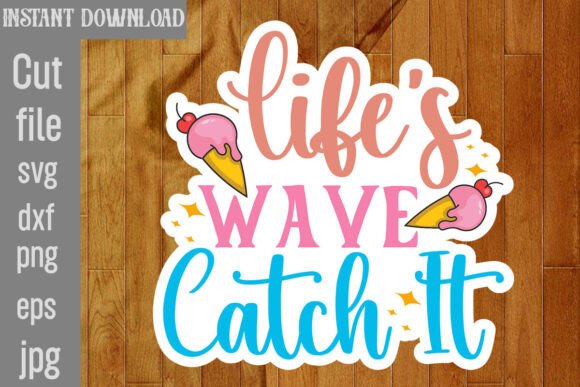
The name itself suggests motion, fluidity, and a touch of nostalgia. "Catch It" implies an action, a moment seized, while "Wave" provides the structural backbone. Visually, the design carries a vibrant, summery energy that feels distinctively casual yet polished. It isn’t trying to be high-fashion or overly ornate. Instead, it sits comfortably in the realm of approachable, lifestyle-oriented decor and apparel. The lines are clean enough to hold their shape during stitching but detailed enough to prevent the design from looking like a generic clip-art stamp.
For those of us selling handmade goods, this distinction matters. A customer scrolling through an Etsy listing doesn’t just want a logo; they want a vibe. This design delivers a relaxed, coastal aesthetic that resonates with buyers looking for personalized gifts, summer-themed merch, or cozy home accents. It feels like something you’d wear on a beach day or hang in a sunlit kitchen. That emotional connection is what drives sales, not just the technical quality of the vector paths.
Real-World Application: From Screen to Stitch
I decided to test this design across several common use cases to see how it would perform in real-life scenarios. The versatility of having multiple formats—SVG, DXF, EPS, PNG, and JPEG—is a significant advantage for modern crafters. It means you aren’t locked into one workflow. You can digitize it yourself, send it to a print-on-demand service, or use it directly in cutting machines for vinyl projects.
My primary test involved a custom embroidered tote bag. Tote bags are a staple for small business owners and Etsy sellers because they are low-cost items with high perceived value when branded correctly. Using the design as a central focal point, I found that the wave motif flows beautifully across the canvas. However, placement is key. Centering it too low makes the bag look unbalanced, while placing it too high restricts the visual impact. I opted for a slightly off-center placement on the upper quadrant, which allowed the "wave" to feel dynamic rather than static. The result was a product that looked professional and ready for a craft fair booth.
I also experimented with sweatshirt embroidery. Here, the design’s color-filled nature shines. Because the file offers vibrant options, using contrasting thread colors against a heather gray or navy sweatshirt creates a striking pop. The fill stitches hold up well against the thicker knit fabric, providing a tactile experience that customers appreciate. It transforms a basic garment into a statement piece, perfect for holiday gifts or seasonal collections.
Where Caution Is Required
No design is perfect for every surface, and Life s Wave Catch It SVG Cut File is no exception. While it performs admirably on flat, stable fabrics, there are specific areas where a designer needs to exercise judgment.
- Small Hoop Sizes: If you are working with very small hoops (under 4x4 inches), the intricate details of the wave pattern may become lost. Fine lines can merge together during stitching, resulting in a muddy appearance. Always check the scale before committing to a small patch or hat brim application.
- Textured and Stretchy Fabrics: Embroidering on highly textured materials like terry cloth or stretchy jersey can distort the design. The fabric moves under the needle, causing puckering or misalignment. If you must use these fabrics, a heavy-duty stabilizer is non-negotiable, and pre-testing is essential.
- Dark Fabric Challenges: On dark backgrounds, light-colored threads might lack sufficient contrast. I recommend testing your chosen thread colors in black and white mockups to ensure legibility. Darker, richer thread tones often work better for maintaining definition on deep-colored garments.
- Curved Surfaces: Applying this to caps or curved pillow corners requires advanced technique. The wave design has horizontal elements that can look distorted if stretched over a curve. It works best on flatter surfaces like aprons, tea towels, or the front panel of a structured cap.
Technical Considerations for Embroidery Designers
Before uploading this file to your machine, take a moment to review the stitch density. High-density designs can cause puckering on lightweight fabrics like thin cotton or silk. If you plan to use this for baby clothes or delicate linens, consider reducing the stitch count or switching to a lighter stabilizer. Conversely, for durable items like denim jackets or canvas bags, the standard density should provide excellent durability and washability.
Another critical step is inspecting the small details. Zoom in on the digital preview. Are there any tiny isolated dots or extremely narrow gaps that might break during stitching? In my testing, the main wave structure held up well, but any decorative accents need to be checked for stability. If a detail is too fine, it might require a satin stitch border to reinforce it.
Impact on Product Value and Brand Consistency
Using a cohesive, well-designed asset like Life s Wave Catch It SVG Cut File elevates your brand perception. Customers can often tell the difference between a hastily copied design and one that was thoughtfully selected and tested. When your finished product looks crisp and intentional, it builds trust. Buyers are more likely to leave positive reviews and return for future purchases if the quality matches the promise of the image.
Furthermore, this design supports a strong narrative. Whether you are creating a line of summer-themed merchandise or a collection of personalized gifts, the theme ties everything together. It allows you to create matching sets—a tote bag, a kitchen towel, and a nursery pillow cover—that feel part of a curated collection rather than random items. This consistency is crucial for building a recognizable brand identity in a crowded marketplace.
Final Verdict and Practical Advice
Overall, Life s Wave Catch It SVG Cut File is a versatile and visually appealing asset that serves both hobbyists and commercial designers well. Its strength lies in its ability to convey a specific mood—relaxed, joyful, and summery—while remaining technically feasible for most standard embroidery setups.
To get the best results, remember these final tips:
- Test First: Never assume a design will work perfectly on your preferred fabric. Run a test stitch on scrap material to check tension and alignment.
- Check Licensing: Ensure you have the appropriate rights to sell finished products made from this file. Commercial licenses vary by seller, so read the terms carefully before listing items on Etsy or your own shop.
- Optimize Thread Colors: Don’t just use default colors. Choose threads that complement your target fabric and enhance the design’s vibrancy.
- Use Proper Stabilizer: Match your stabilizer to your fabric weight. Lightweight fabrics need tear-away or cut-away stabilizers to prevent distortion.
If you are looking to add a touch of summer flair to your craft business or personal projects, this design is a solid choice. It balances aesthetic appeal with practical usability, making it a valuable addition to your library of design assets. Just remember: good design is only half the battle; execution is what turns a digital file into a cherished handmade product.