Cat and Moon Phases SVG Design Review
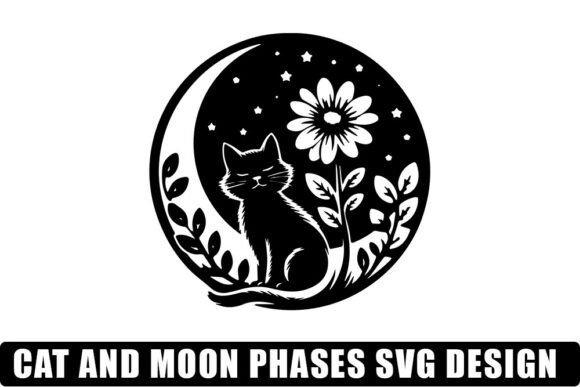
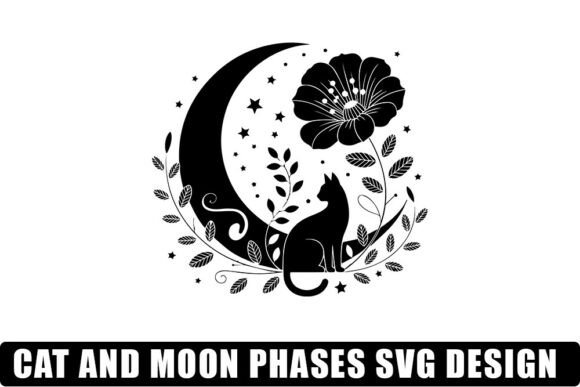
As a designer who spends more time than I care to admit staring at stitch lines and worrying about tension settings, I don’t just look at the pretty picture when evaluating a new embroidery file. I look at how it will behave on the hoop. I look at where the thread might bunch up, whether the negative space will hold its shape, and if the final result will actually make a customer want to buy it. When I first pulled up the Cat and Moon Phases SVG Design, my initial reaction was one of quiet appreciation for its simplicity. It’s not trying too hard. It doesn’t have fifty intricate details that are going to turn into a tangled mess in a small hoop. Instead, it offers a clean, modern aesthetic that feels perfectly suited for today’s handmade market.
The visual personality of this design is calm and slightly mystical. The silhouette of the cat, combined with the progression of the moon phases, creates a narrative without needing words. This is exactly the kind of imagery that resonates with people buying personalized gift items or looking for something special for their own home decor. It feels like a design that belongs in a cozy nursery, on a boutique tote bag, or as part of a curated set of holiday embroidery gifts. But does it work in practice? Let’s break down how this design performs when we move from the screen to the fabric.
Real-World Application: From Screen to Stitch
I always start by imagining the end product. For me, the Cat and Moon Phases SVG Design immediately screams "custom apparel." Specifically, I see it on a high-quality cotton sweatshirt or a heavyweight tote bag. The reason I lean toward these items is stability. Embroidery needs a solid foundation. When you put a design on a stretchy t-shirt, even with good stabilizer, there is always a risk of puckering. However, on a structured tote or a thick fleece sweatshirt, this design would sit flat and crisp.
For those running an Etsy shop or a craft business, this design is versatile enough to be used across multiple product lines. It works beautifully as an embroidered patch that can be ironed or sewn onto denim jackets. It also translates well to baby clothes, provided the size is appropriate. A subtle, single-color version of the cat and moon motif on a onesie or a burp cloth adds a touch of elegance that parents seem to love. It’s gender-neutral, timeless, and fits right into the current trend of minimalist nursery decor.
I also considered using this for commercial embroidery projects, such as branding for a small boutique. The clean lines of the vector format mean that scaling the design up or down is straightforward. Whether you are making a large statement piece for a display or a tiny detail on a keychain, the core shapes remain recognizable. This consistency is crucial for brand identity. Customers trust brands that present a professional, cohesive look, and a well-stitched design like this contributes significantly to that perception.
Where to Be Careful: Limitations and Challenges
No design is perfect for every situation, and being honest about limitations is part of being a responsible reviewer. While the Cat and Moon Phases SVG Design is strong, there are specific scenarios where it might struggle. First, let’s talk about scale. If you attempt to digitize or use this design in a very small hoop size, you need to be cautious. The moon phases involve distinct gaps between the crescents. If the design is too small, those gaps might get filled in by dense stitching, turning the moons into solid blobs. Always check your hoop size constraints before committing to a small project.
Fabric choice is another critical factor. This design relies on clear contrast. On dark fabrics, you will need a light-colored thread, and on light fabrics, a dark thread. If you try to use a low-contrast thread color, the definition of the moon phases will be lost. Furthermore, textured fabrics like heavy waffle-knit towels or nubby wool blankets can hide the finer details of the stitching. The thread might sink into the texture, making the design look muddy rather than sharp. For best results, stick to smooth cottons, linens, or stable blends.
Stretchy fabrics like jersey or spandex blends require extra attention. Even with a cut-away stabilizer, the natural stretch of the fabric can distort the circular shapes of the moon phases over time, especially after washing. If you are making custom apparel for active wear or tight-fitting garments, consider adding a backing layer or using a stronger stabilizer to prevent distortion. Also, avoid placing this design on curved surfaces like baseball caps unless you have significant experience with cap hoops. The curvature can warp the symmetry of the moon phases, which defeats the purpose of the geometric layout.
Technical Considerations for the Designer
Before you load this file into your machine, there are a few practical steps every designer should take. First, test the design on scrap fabric. This is non-negotiable. You need to see how the stitch density interacts with your specific fabric and thread combination. Look for any areas where the thread might be too tight, causing the fabric to pucker, or too loose, leaving gaps.
Pay close attention to the transition between different stitch types. If the design uses a mix of satin stitch for outlines and fill stitch for the body, ensure that the underlay stitches are sufficient to stabilize the area. Poor underlay can lead to shifting, especially in designs with large solid areas. Also, inspect the corners and curves. In vector formats, corners can sometimes appear sharp, but in embroidery, they need to be softened or managed properly to avoid needle strikes and thread breaks.
Another important step is to view the design in black and white mockups. Sometimes, colors on screen can be misleading. A black and white preview helps you assess the balance of positive and negative space. Does the design feel balanced? Is one side heavier than the other? Adjusting the placement on the garment or accessory can often fix minor imbalances. Additionally, confirm the licensing terms. If you plan to sell finished products, ensure you have the right to do so commercially. Many digital assets come with specific restrictions, and ignoring these can lead to legal issues later.
Final Thoughts on Visual Appeal and Value
Ultimately, the value of an embroidery design lies in its ability to elevate the finished product. The Cat and Moon Phases SVG Design succeeds because it is understated yet engaging. It doesn’t shout for attention; it invites the viewer to look closer. This subtlety is what makes it a strong candidate for handmade product lines that aim for a premium feel. Customers are willing to pay more for items that look thoughtfully designed and professionally executed.
In terms of design assets, having a versatile file like this in your library is a smart move. It can be adapted for various themes—spring, autumn, winter holidays, or even spiritual or wellness-focused collections. The mood it creates is one of tranquility and wonder, emotions that many people seek out in their purchases. Whether you are creating a tote bag design for a local market or adding a unique touch to a sweatshirt embroidery line, this design offers a reliable foundation for success.
Remember, the best embroidery projects come from careful planning and realistic expectations. By testing thoroughly, choosing the right materials, and respecting the limitations of the medium, you can transform a simple vector file into a cherished finished product. The Cat and Moon Phases SVG Design provides a beautiful canvas for that transformation, offering a blend of artistic charm and practical usability that stands out in a crowded marketplace.